


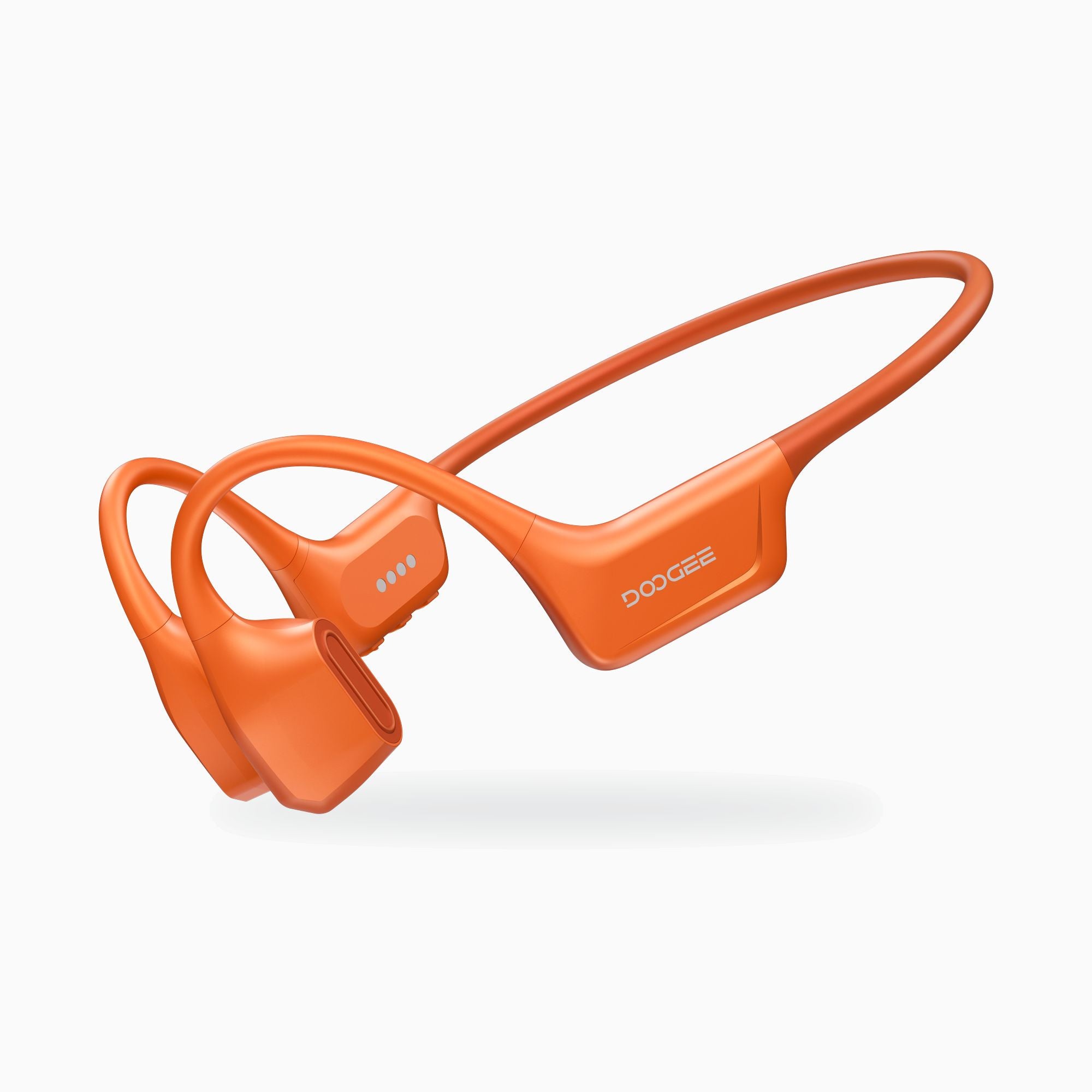

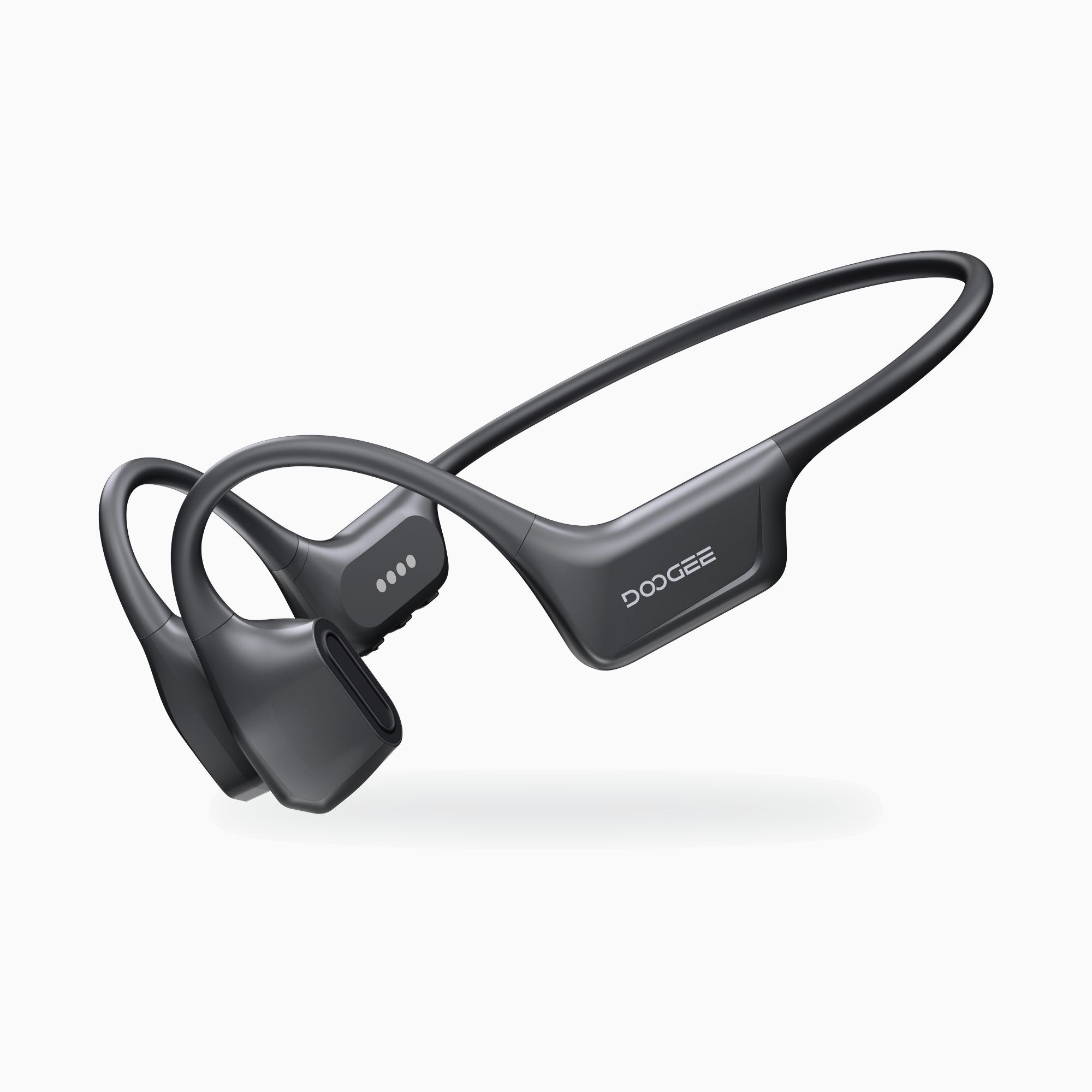

Swim-ready protection

Dual listening modes
Local music playback

Fast charge support
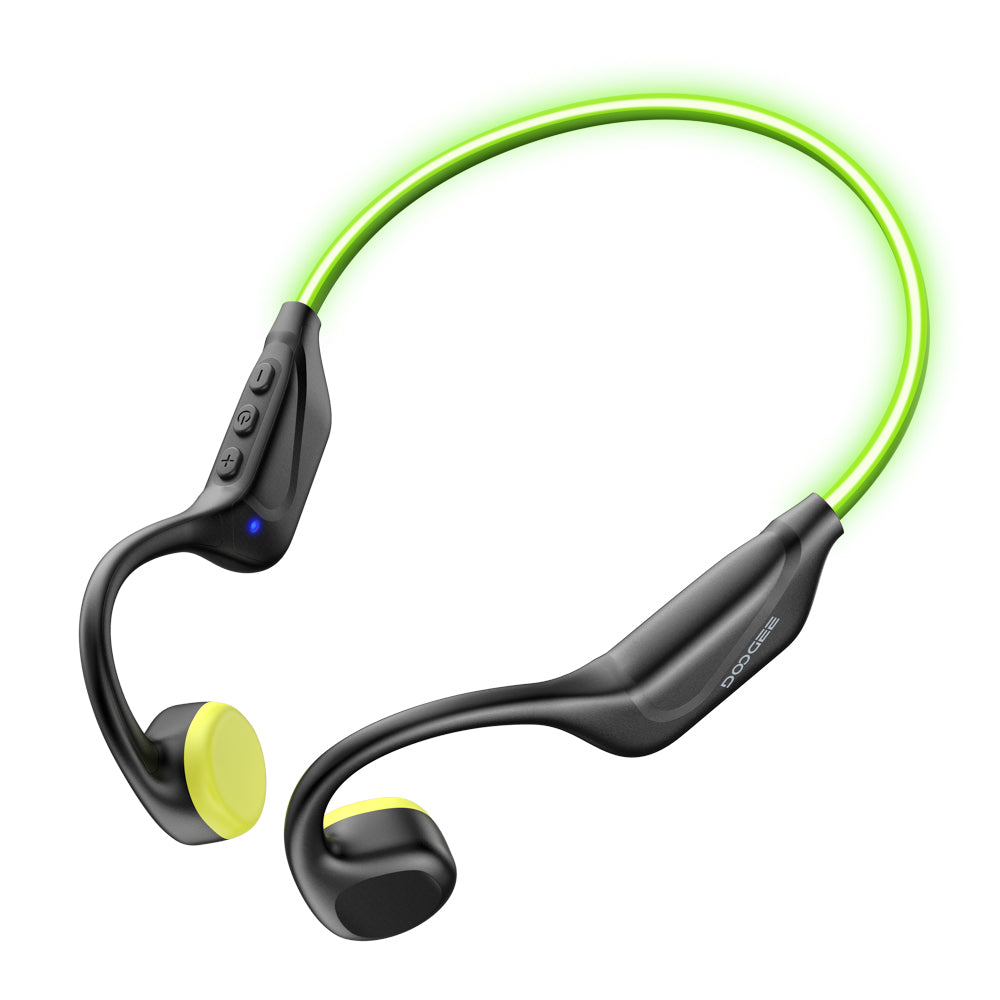


Night running visibility
Fast charge support
Sweat and rain resistant

Stable wireless connection


Swim-ready protection
Dual listening modes
Local music playback
Fast charge support
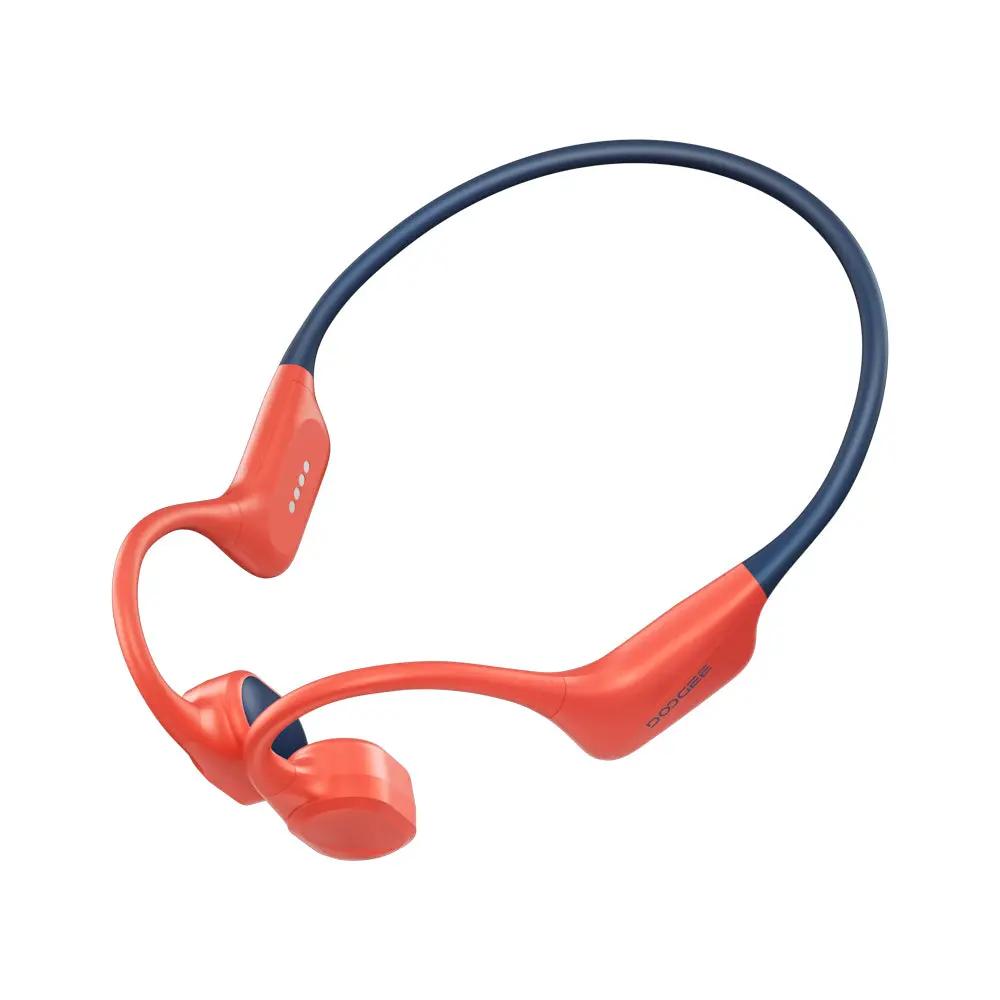
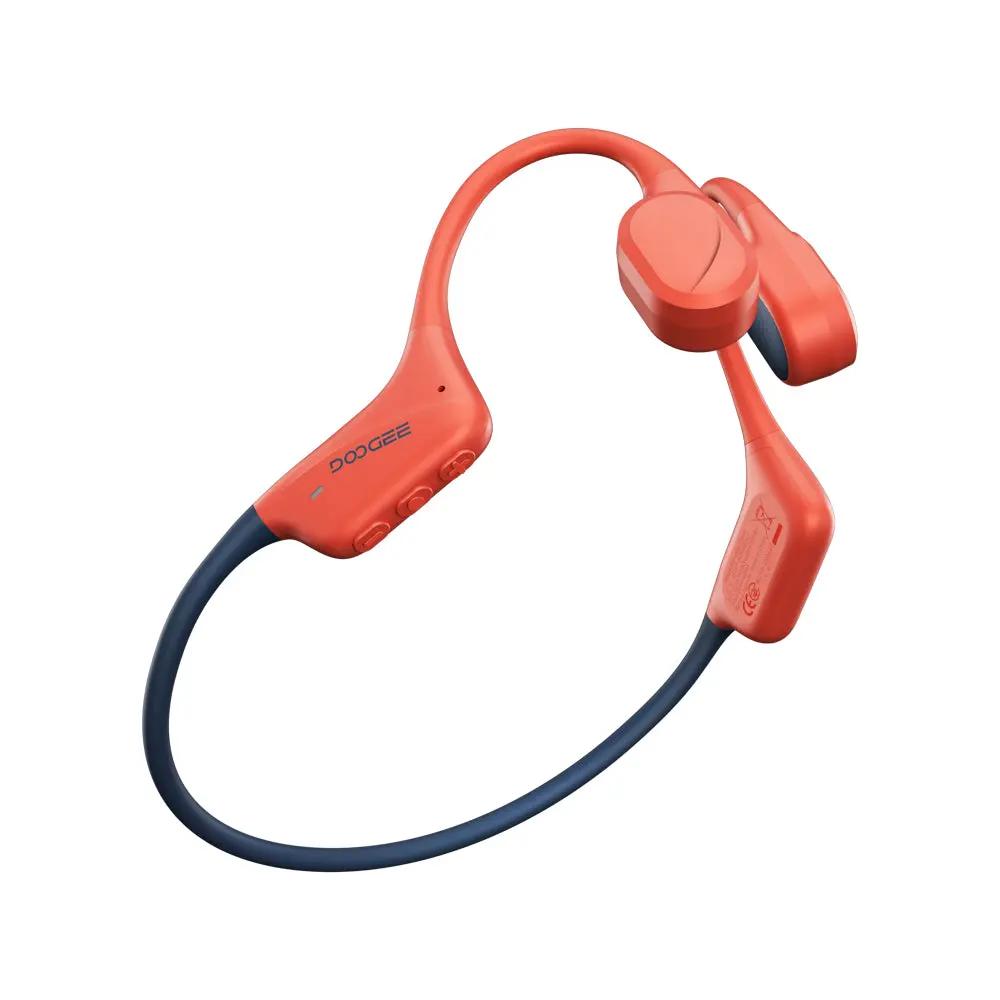

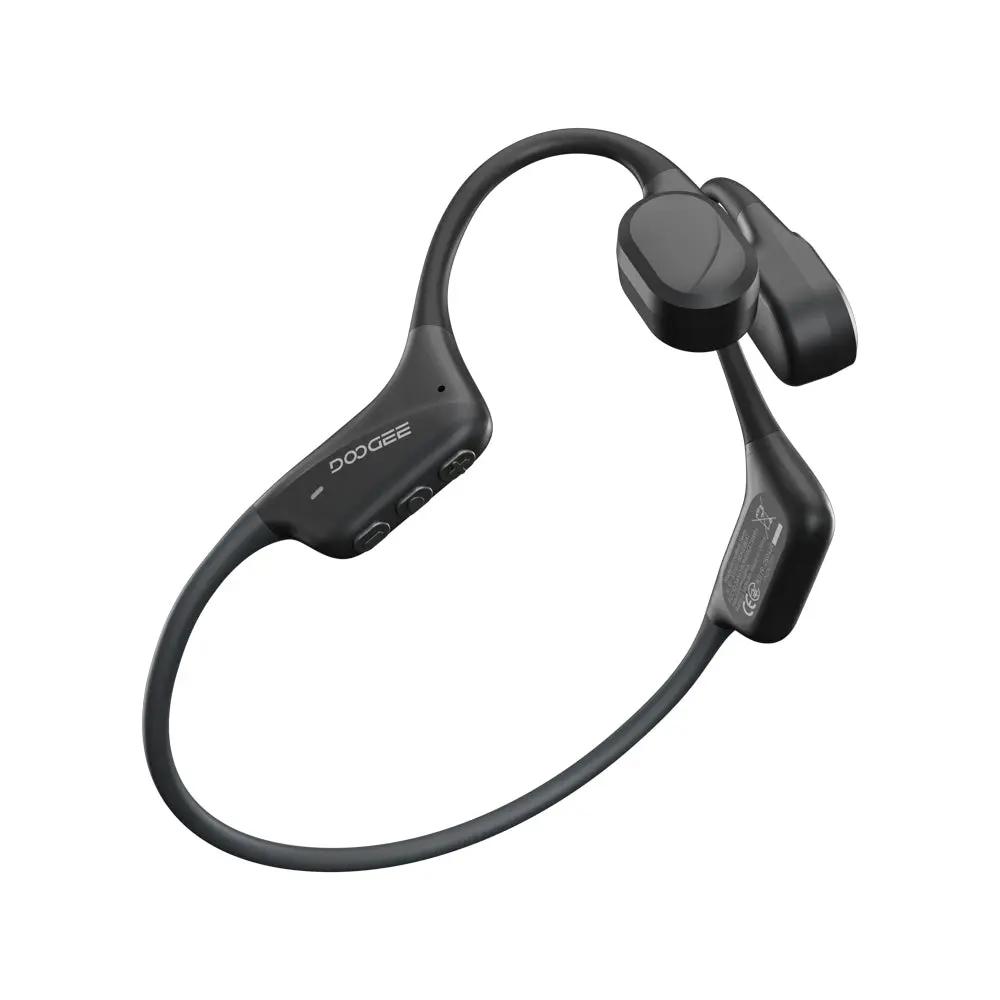
Swim-ready protection
Dual listening modes
Local music playback
Fast charge support

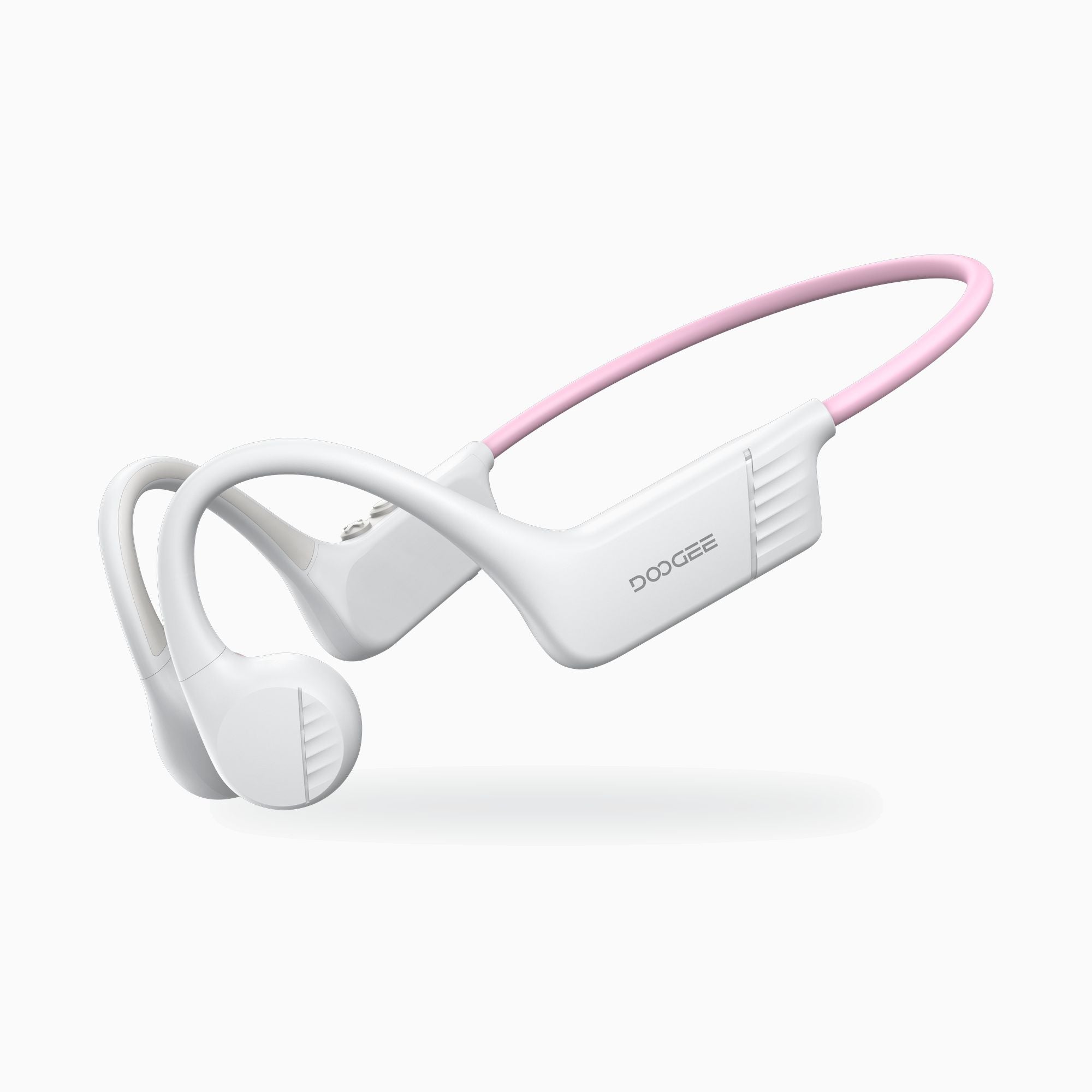

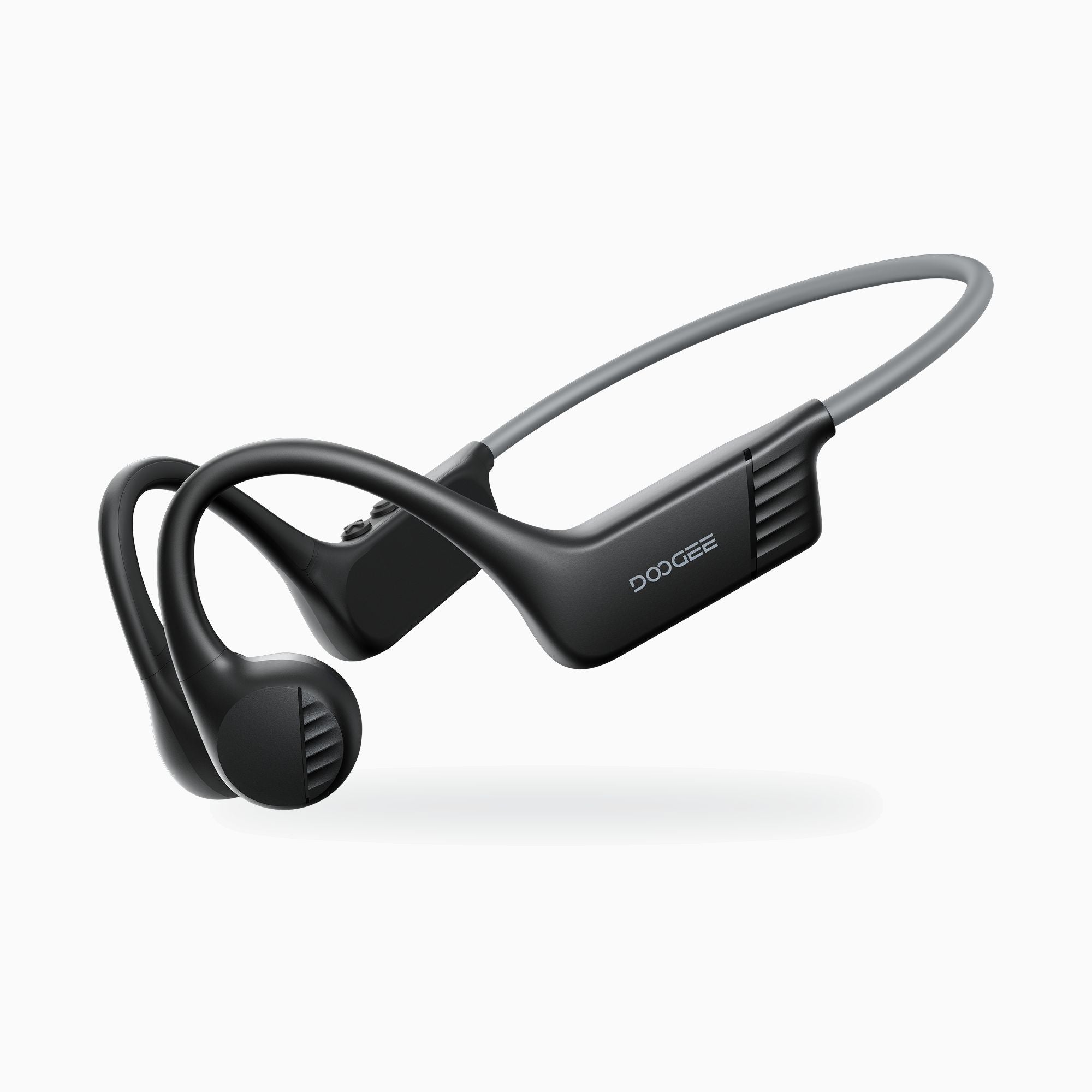
Comfortable all-day listening
Fast charge support
Sweat and rain resistant
Stable wireless connection
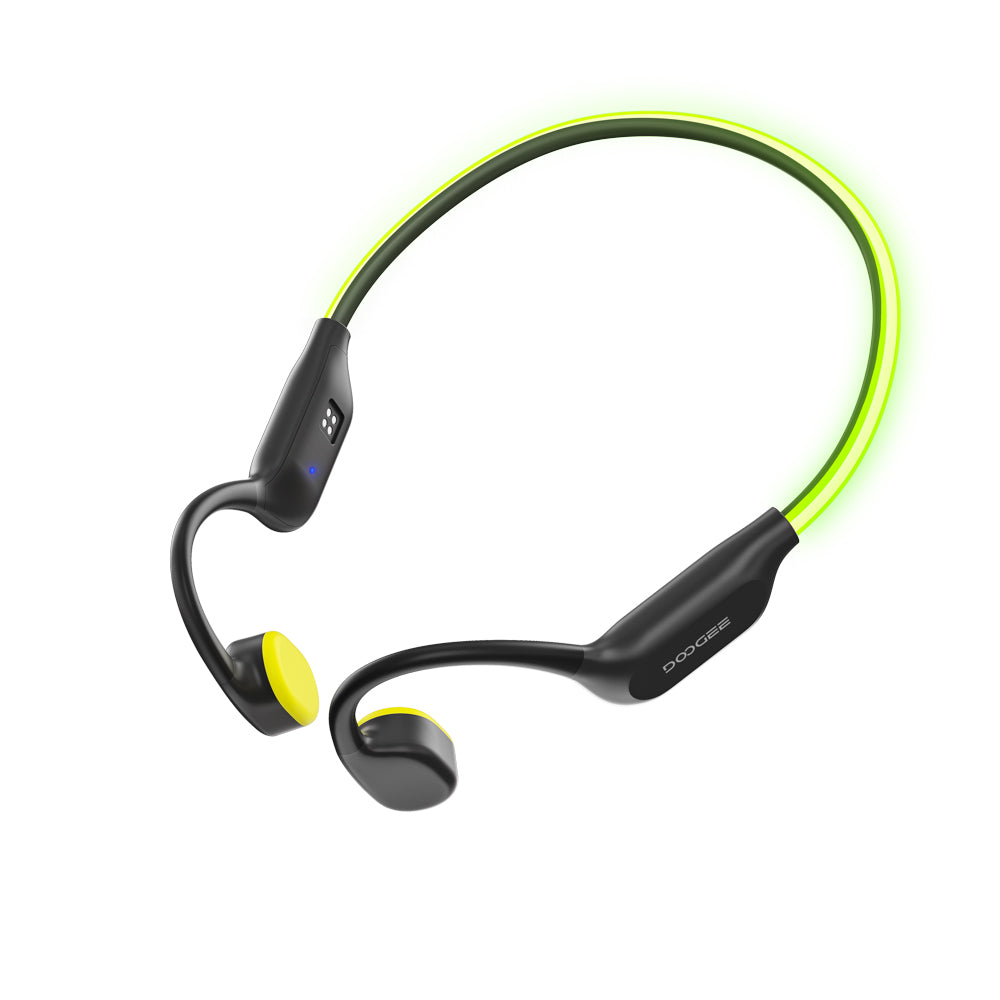

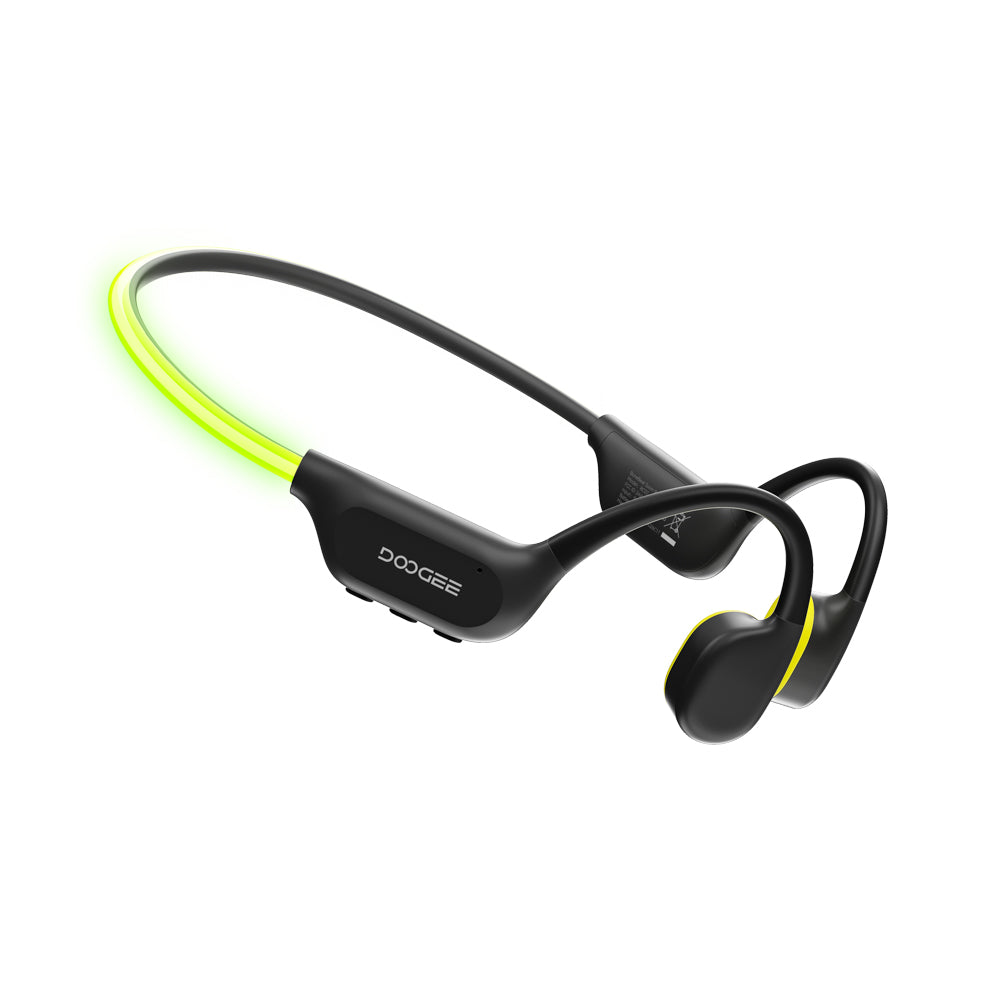
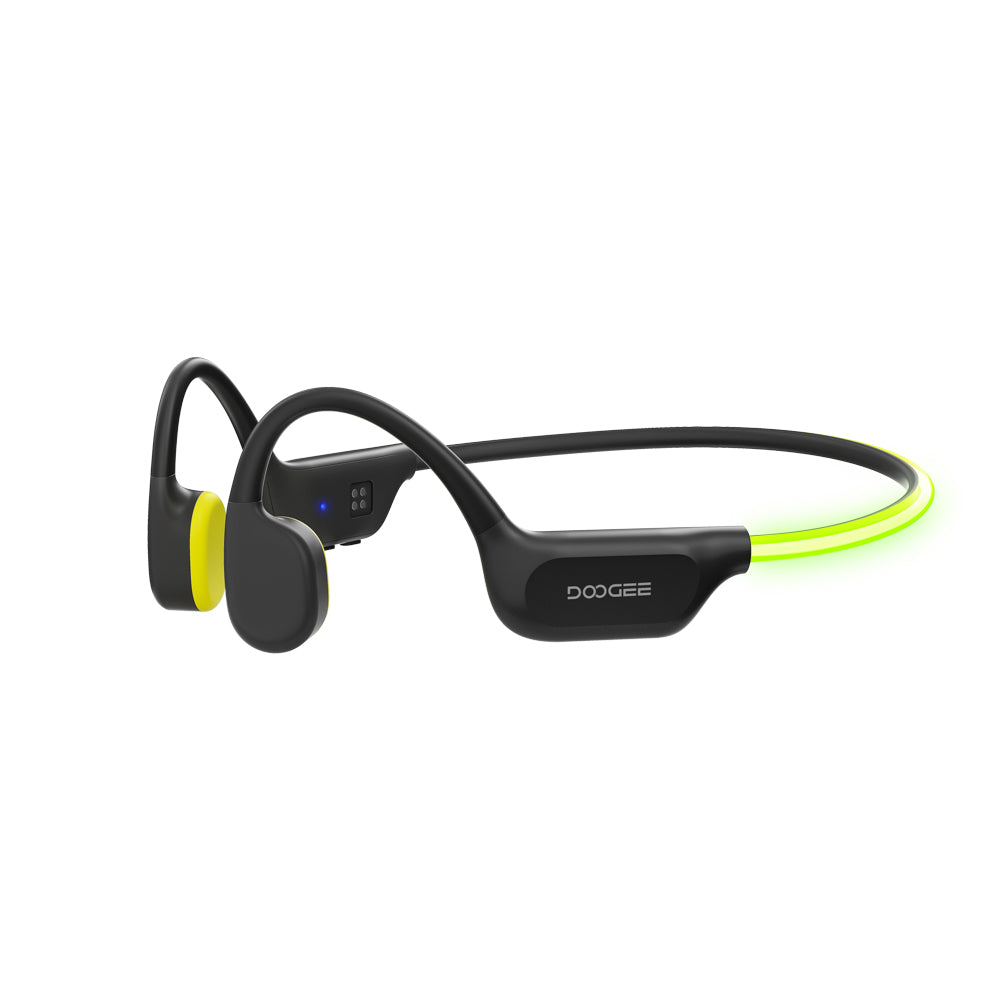
Night running visibility
Swim-ready protection
Dual listening modes
Local music playback
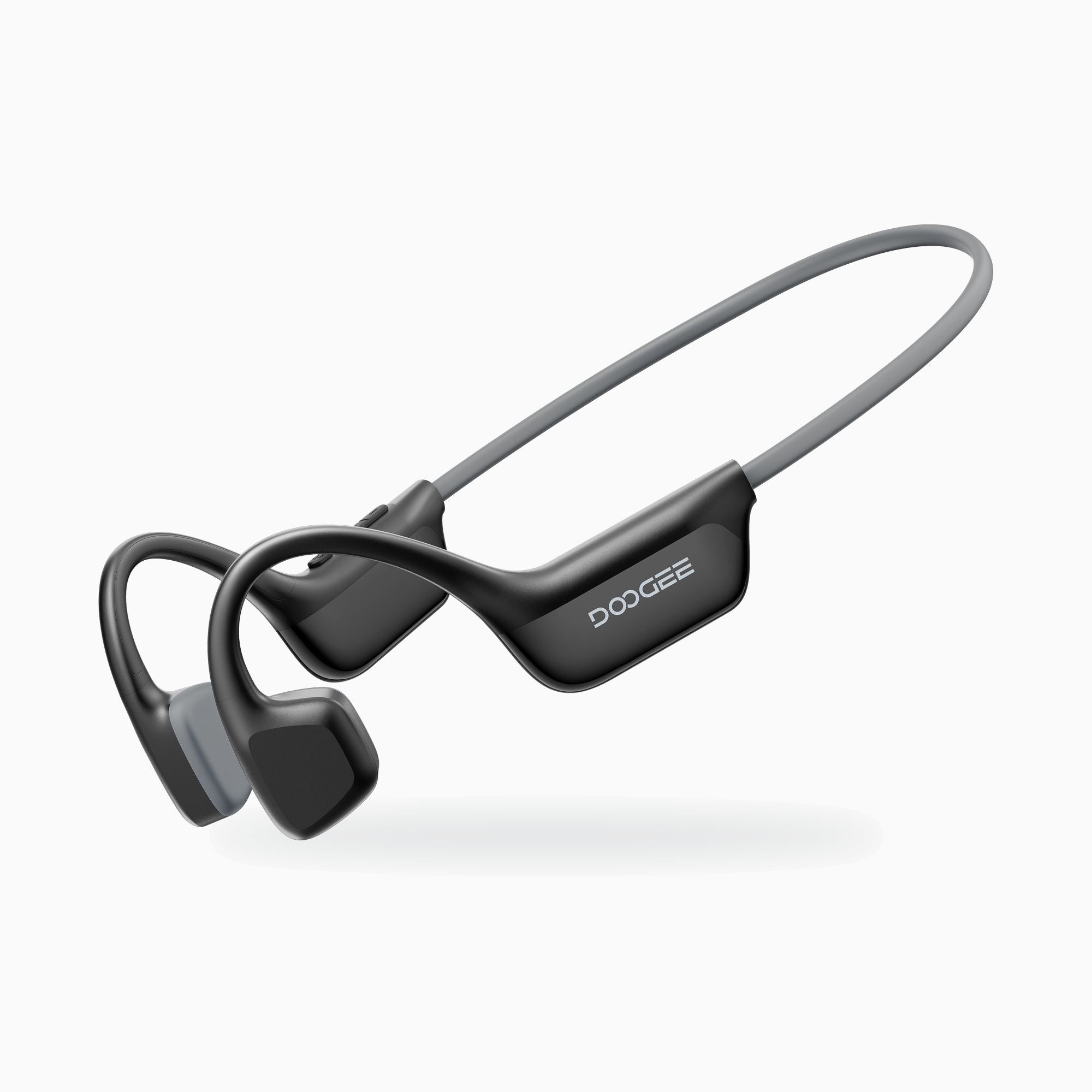
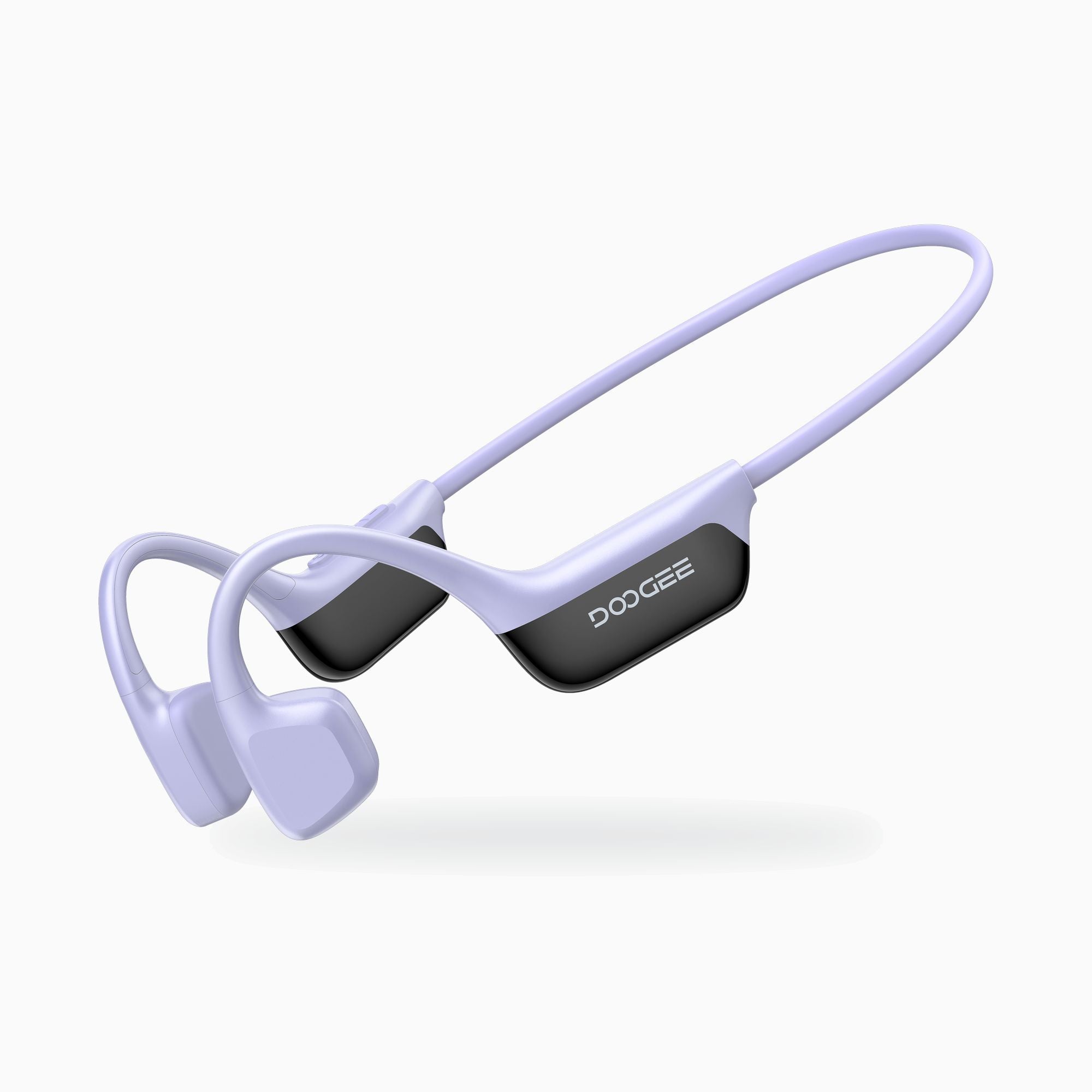
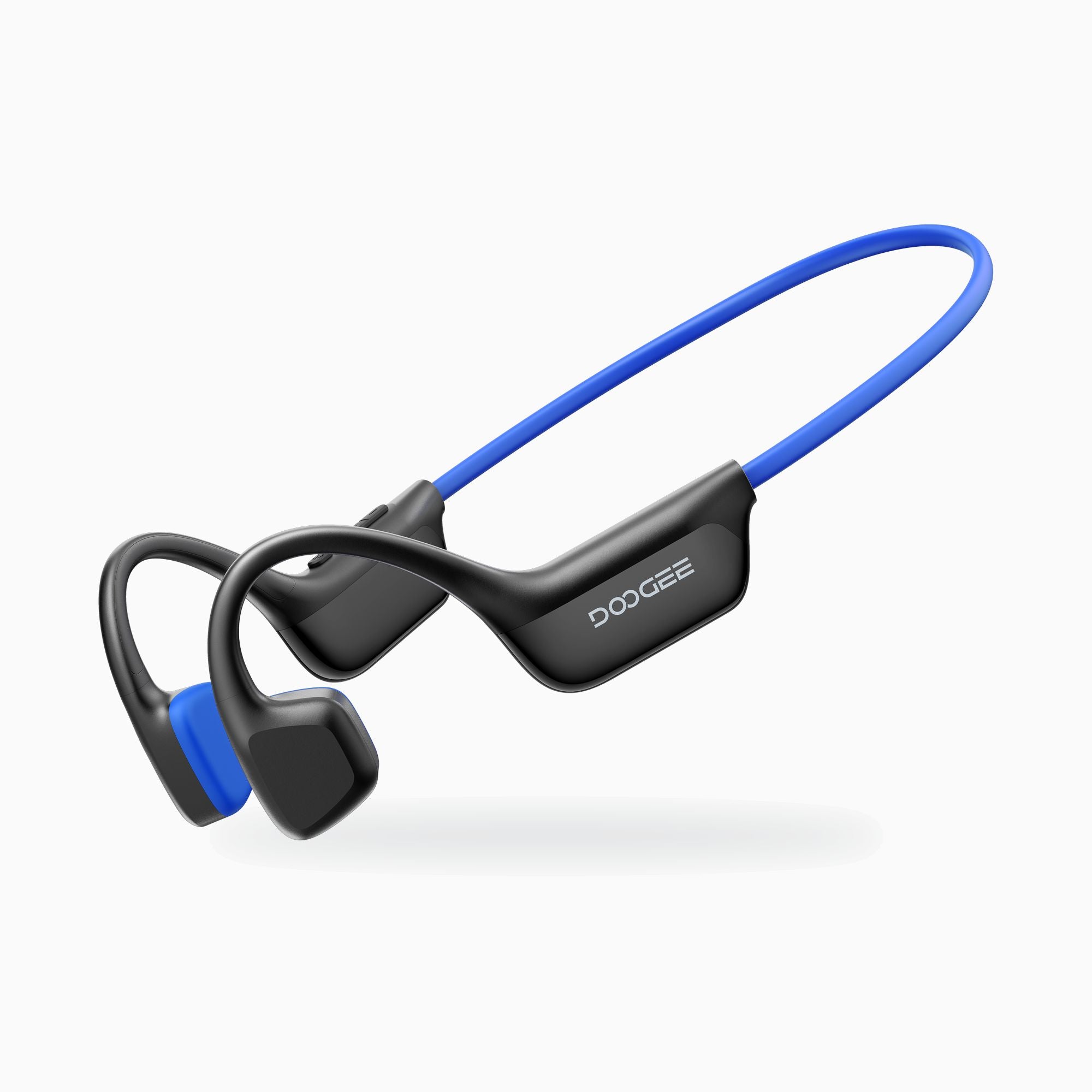


Battery level at a glance
Sweat and rain resistant
Fast charge support
Stable wireless connection
DOOGEE Headphones Buying Guide FAQ
Compare DOOGEE open-ear and bone-conduction headphones for running, swimming, calls, comfort, connectivity, and battery life.
Should I choose BoneBeat Run or BoneBeat Swim headphones?
Choose a Run model for running, training, commuting, and open-ear awareness. Choose a Swim model when water resistance and swimming use are the priority. Compare the exact IP rating, onboard storage, control layout, and microphone support because features differ by version.
Can I use DOOGEE headphones while swimming?
Use only a model whose product page specifically states that it is suitable for swimming and follow its depth and time limits. Rinse off pool or salt water with fresh water where instructed, dry the charging contacts completely, and do not assume every sports model has the same waterproof rating.
Does Bluetooth work underwater?
Bluetooth signals travel poorly through water. For underwater listening, use onboard audio storage or the playback method supported by the exact Swim model. Bluetooth playback is more reliable when the headphones and phone remain above water.
What is the benefit of open-ear or bone-conduction headphones?
They leave the ear canal open, which can improve awareness of traffic, people, and surroundings during outdoor activity. Fit and perceived bass differ from in-ear headphones, so choose based on comfort, safety needs, and listening preference.
Can I use them for phone calls?
Call support and microphone performance vary by model. Wind, traffic, and fit can affect call clarity. Check whether the exact version includes a microphone and calling controls if calls are important.
How do I improve pairing and battery performance?
Charge the headphones fully, remove old pairings if necessary, and pair from the device's Bluetooth settings. Keep firmware or companion-app requirements in mind where listed. Playback time varies with volume, call use, temperature, and connection stability.